
Remotely located in the Pacific Ocean between Hawaii and Australia sits the small island nation of Tuvalu. Tuvalu has been inhabited for 3000 years and has its own culture and language, but now this will be the last generation to live on Tuvalu. With an average elevation above sea level of only 2 meters Tuvalu is estimated to be 95% underwater at high tide by the year 2100.
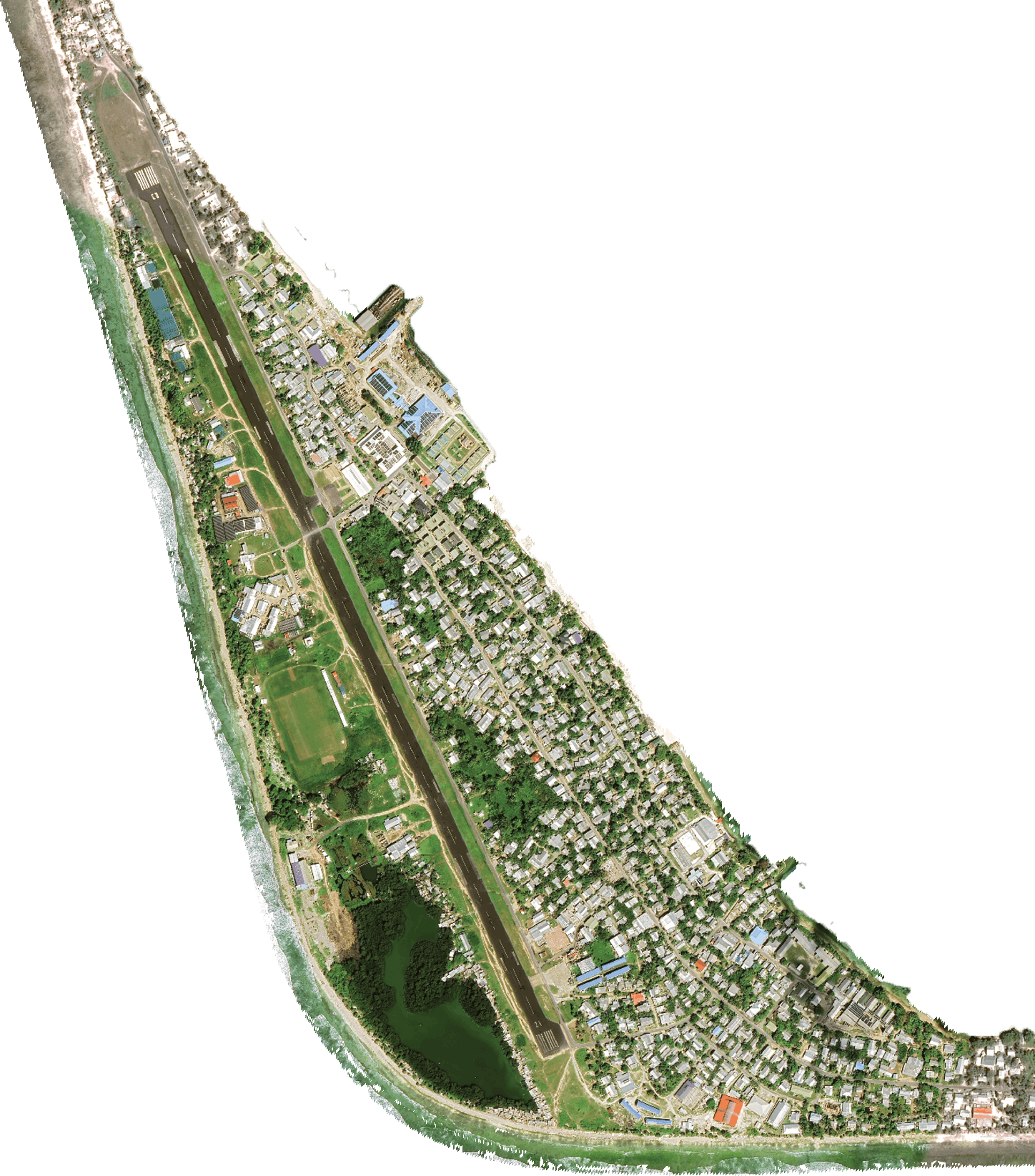
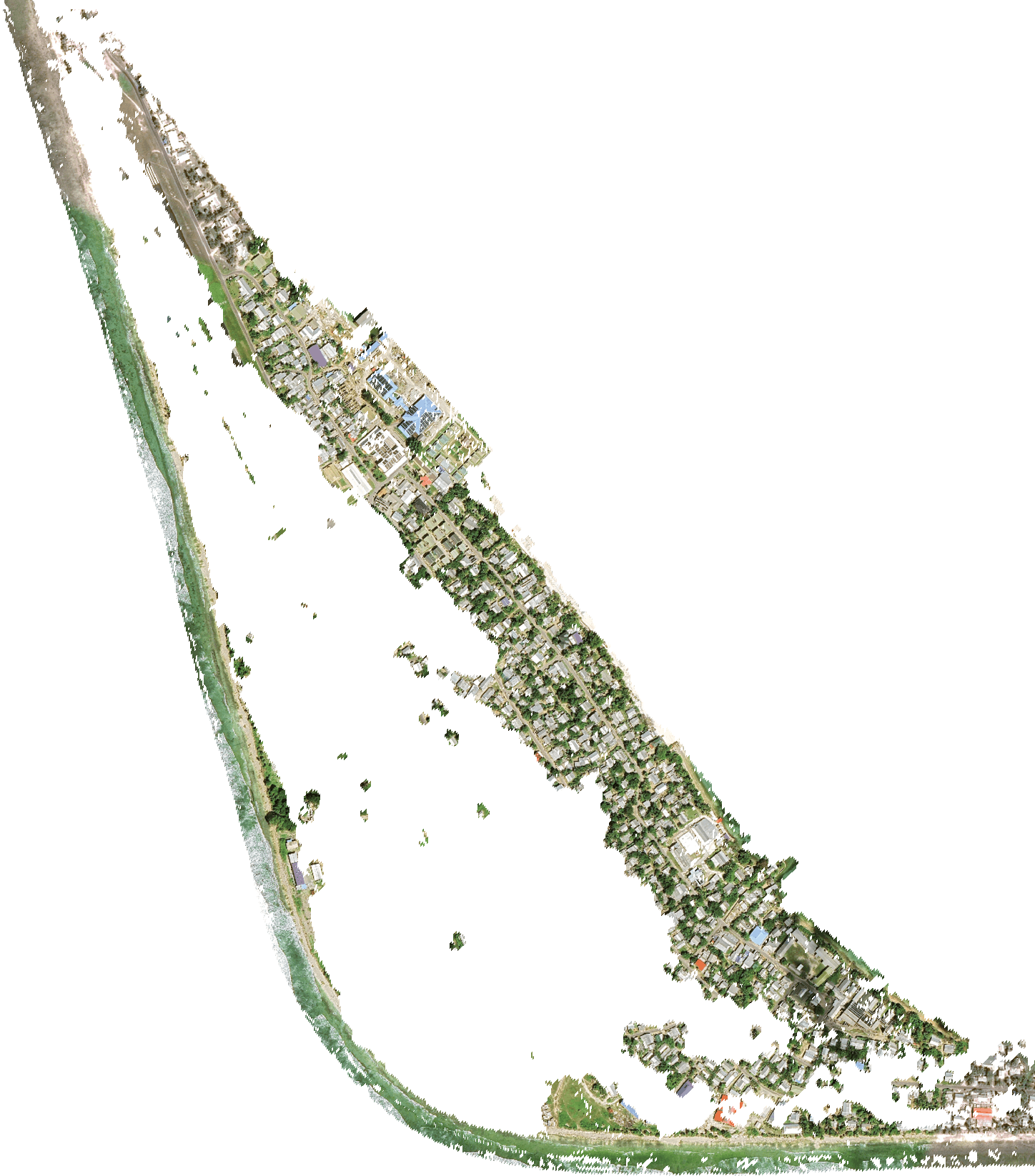
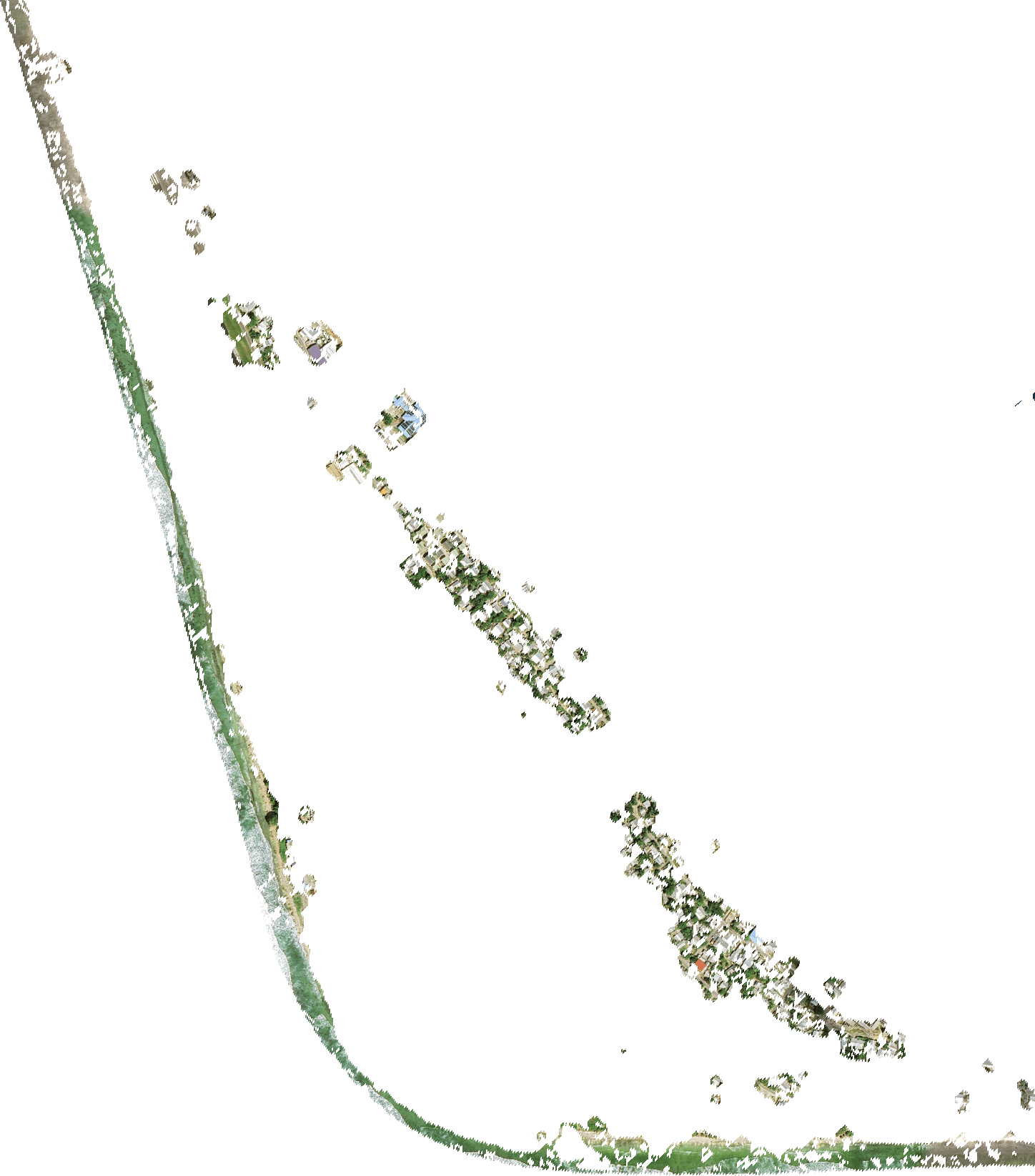
While Tuvaluans have a place to go, New Zealand and Australia have committed to receive 355 Tuvaluans a year, at this rate Tuvalu will be depopulated in only 31 years. The Tuvaluan people have been given a place to go, but they don’t want to leave yet there will soon be nowhere for them to stay. With a population of only 10,000 it will be hard to keep this culture and language alive once Tuvalu is no longer inhabited.

The only hope in keeping Tuvalu habitable is land reclamation, but this is expensive and Tuvalu does not have the money to fund these kinds of projects. Tuvalu is left to work with other pacific island nations and push for wealthy nations to notice the impacts they are causing and to finance protections from their harm.

The only hope in keeping Tuvalu habitable is land reclamation, but this is expensive and Tuvalu does not have the money to fund these kinds of projects. Tuvalu is left to work with other pacific island nations and push for wealthy nations to notice the impacts they are causing and to finance protections from their harm.
The only hope in keeping Tuvalu habitable is land reclamation, but this is expensive and Tuvalu does not have the money to fund these kinds of projects. Tuvalu is left to work with other pacific island nations and push for wealthy nations to notice the impacts they are causing and to finance protections from their harm.

Poor nations are increasingly feeling the effects of climate change. Tuvalu is not the only pacific island nation that is experiencing the harms of rising sea levels. Some regions of Kiribati, a pacific island nation even poorer than Tuvalu currently sees fewer than 5 days of flooding a year are expected to see an average of 65 days of flooding per year by the year 2050. Rising sea levels in the Pacific are not the only way nations are seeing effects of climate change.

Poor nations are increasingly feeling the effects of climate change. Tuvalu is not the only pacific island nation that is experiencing the harms of rising sea levels. Some regions of Kiribati, a pacific island nation even poorer than Tuvalu currently sees fewer than 5 days of flooding a year are expected to see an average of 65 days of flooding per year by the year 2050. Rising sea levels in the Pacific are not the only way nations are seeing effects of climate change.
Poor nations are increasingly feeling the effects of climate change. Tuvalu is not the only pacific island nation that is experiencing the harms of rising sea levels. Some regions of Kiribati, a pacific island nation even poorer than Tuvalu currently sees fewer than 5 days of flooding a year are expected to see an average of 65 days of flooding per year by the year 2050. Rising sea levels in the Pacific are not the only way nations are seeing effects of climate change.

Poor nations are increasingly feeling the effects of climate change. Tuvalu is not the only pacific island nation that is experiencing the harms of rising sea levels. Some regions of Kiribati, a pacific island nation even poorer than Tuvalu currently sees fewer than 5 days of flooding a year are expected to see an average of 65 days of flooding per year by the year 2050. Rising sea levels in the Pacific are not the only way nations are seeing effects of climate change.

Poor nations are increasingly feeling the effects of climate change. Tuvalu is not the only pacific island nation that is experiencing the harms of rising sea levels. Some regions of Kiribati, a pacific island nation even poorer than Tuvalu currently sees fewer than 5 days of flooding a year are expected to see an average of 65 days of flooding per year by the year 2050. Rising sea levels in the Pacific are not the only way nations are seeing effects of climate change.
Poor nations are increasingly feeling the effects of climate change. Tuvalu is not the only pacific island nation that is experiencing the harms of rising sea levels. Some regions of Kiribati, a pacific island nation even poorer than Tuvalu currently sees fewer than 5 days of flooding a year are expected to see an average of 65 days of flooding per year by the year 2050. Rising sea levels in the Pacific are not the only way nations are seeing effects of climate change.
In southeast Asia cities like Hanoi, Vietnam and Jakarta, Indonesia, report nearly year round air quality that exceeded the WHO Global Air Quality Guidelines. These dangerous air quality levels can lead to respiratory illnesses, cardiovascular problems, ophthalmologic disorders, skin conditions, hospitalization and even fatalities. Not only is it expensive to fix the air quality problem but it is having an immense negative impact on the economy, tourism, and the amount of highly skilled workers are negatively affected.
While these are just some examples, all across the world poor nations are feeling the brunt of the climate crisis while also not having the resources to handle the outcomes of climate change.
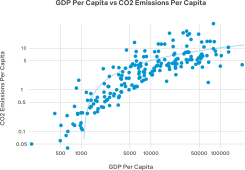
The wealthiest 1% of the world’s population is responsible for the same amount of CO2 emissions as the poorest 66% of the world. This one percent might seem like the far fetched elite billionaires but in reality to be part of the global 1% you only need to be making over $140,000 a year. These 77 million people produce 16 times more CO2 than the average person.
Not only do the rich cause all this pollution but they do it because it makes them richer. Datacenters, oil and gas industries, car manufacturing, air travel, mass consumerism, and more all cause massive amounts of pollution and profits for the wealthy. Even when companies are regulated to pollute less, the fines can be so low that it is often still profitable to pollute, with conservative estimates that 36% of the time when companies violate the clean air act after getting fined their actions were still profitable to the company.
While the rich often live in places less affected by rising temperatures and have more ability to adapt to climate change they don’t want those affected most by climate change to immigrate to their nations. North America and Europe are becoming increasingly hostile to immigrants. While Tuvalu might have been lucky to get guaranteed access to immigration they only represent 10,000 of the billions that will need to immigrate in the future due to the effects of climate change.